

An organization corporation is a legal entity separate from its proprietors, created to carry out commercial activities. It is acknowledged as an individual under the law, efficient in filing a claim against, being sued, owning possessions, and marketing them. The corporation is owned by investors that invest money or other possessions for shares, standing for partial possession. These investors pass on the administration of the firm to a board of supervisors, that make tactical choices and oversee the overall procedures. The business structure is particularly prominent since it supplies limited responsibility to its owners, implying that the personal possessions of shareholders are secured from the corporation's financial obligations and lawful responsibilities. This structure urges investment by minimizing possible losses, making it easier to increase funding with the sale of stock.
Firms undergo certain regulatory environments depending upon their geographical location and market. They must conform with different legislations and policies, consisting of those pertaining to labor, ecological standards, and monetary coverage. Companies are called for to submit short articles of consolidation with a government authority, which sets forth the corporation's function, name, and other important details. In addition, they should adhere to tax obligation responsibilities which can be complex due to their capacity to run across several territories. A necessary facet of corporations is their perpetual presence; unlike partnerships or sole proprietorships, a firm can proceed running past the life expectancy or withdrawal of its shareholders. This attribute makes companies an extremely stable kind of enterprise, favored by lots of business owners and capitalists for long-term jobs.
Comprehending the Framework of a Company Corporation
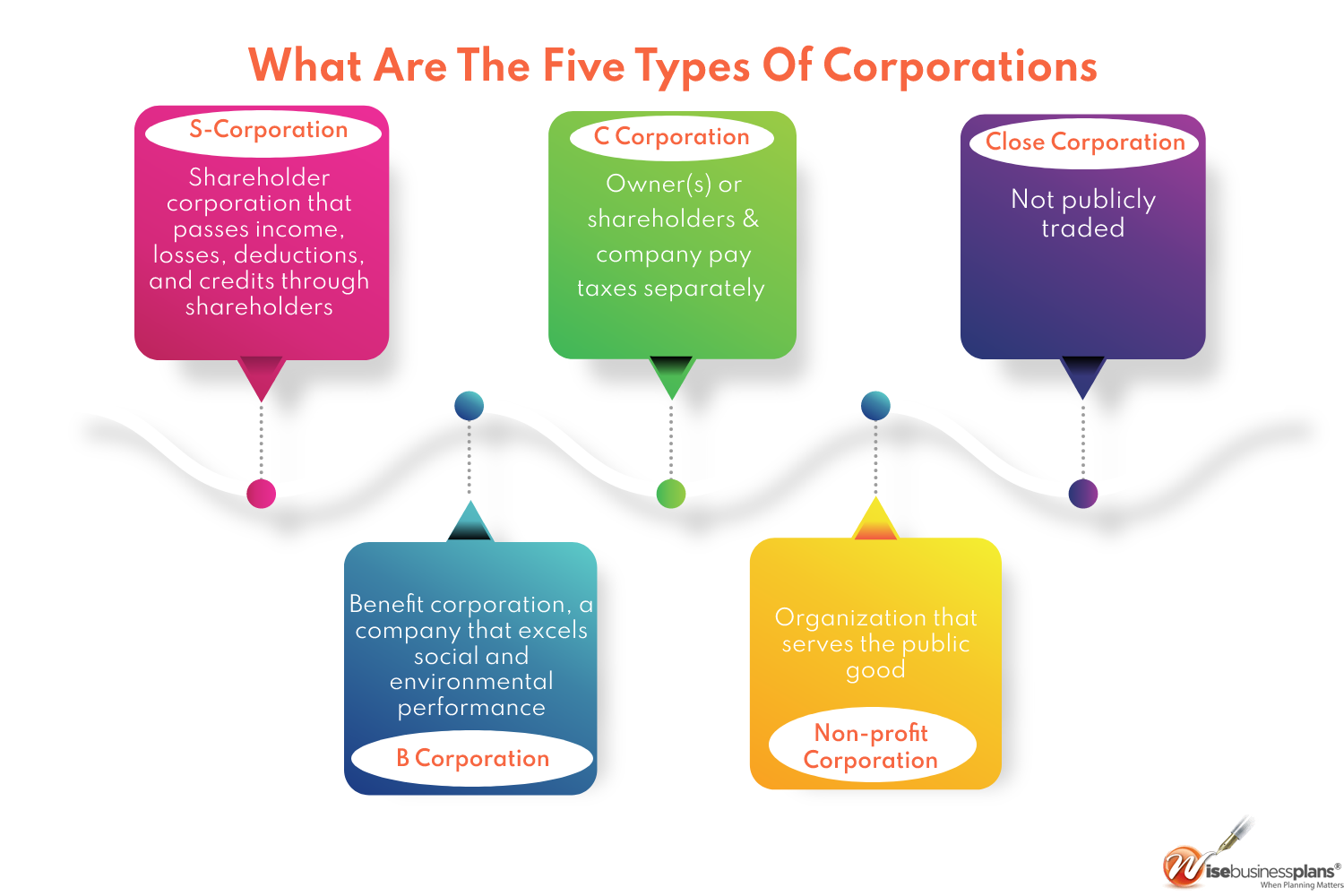
At its core, a business firm is a legal entity that is distinctive from its proprietors, giving them with limited obligation protection, implying that in many situations, their individual assets are secured from claims versus business. This sort of organization framework has actually been taken on widely throughout various markets because of its versatility and the toughness it uses in regards to scaling procedures. A corporation is regulated by a board of supervisors, which is chosen by investors. These directors oversee the major plans and choices of the corporation and appoint police officers that manage the everyday operations. Shareholders, at the same time, spend in the company by purchasing shares, offering them a right to a section of the earnings, normally in the form of rewards, and a say in just how the company is controlled via their ballot civil liberties on major concerns at annual meetings. This hierarchical framework guarantees that a company has a clear administration framework which helps in mitigating disputes and simplifying decision-making processes. The procedure of developing a firm includes numerous legal actions, including the filing of Articles of Incorporation with the relevant state authorities and crafting bylaws that regulate the inner monitoring of the corporation. These bylaws are essentially the rules that dictate whatever from exactly how conflicts are solved to how meetings are performed. From a financial point of view, firms are viewed favorably since of their ability to raise resources either via the sale of stock or with debt funding. This adaptability allows corporations to money expansions, r & d, and other capital-intensive activities extra conveniently than various other service types. Furthermore, how do you find the director of a company appreciate continuous existence, meaning they remain to exist also if the owner or significant investors leave the service or pass away. This feature makes them particularly eye-catching for long-term jobs and financial investments. On the whole, the structure of a service company is designed to maximize advantages for its proprietors while reducing dangers. The separation of ownership and management allows capitalists to take part in the profits of the service without being associated with the daily procedures, which can be both intricate and taxing. This splitting up also permits expert managers with expertise in different fields to operate the corporation, possibly bring about more profitable and efficient procedures. As companies progress and markets modification, the company structure can additionally be adjusted to fulfill brand-new needs, making it a versatile choice for lots of business owners and financiers.
Key Functions and Administration Structures in Service Firms
Business companies operate through an intricate network of features and structures that ensure they fulfill their objectives and conform with lawful requirements. Central to any kind of firm is its administration structure, generally personified by a board of supervisors accountable for making high-level plan decisions and looking after the total instructions of the business. This board delegates day-to-day operational obligations to the chief executive officer and various other elderly executives who manage numerous facets of the firm's activities, from marketing and sales to fund and human resources. Each of these functions plays a vital role in preserving the health and development of the service. For instance, the financing department is tasked with taking care of the company's budget plans, monetary reporting, and financial investment methods, which are important for both temporary earnings and lasting sustainability. The advertising group focuses on market research, branding, and advertising techniques to drive sales and enhance the firm's public photo. Personnels handle staff member relationships, recruitment, and conformity with work laws, all of which are crucial for maintaining a motivated and proficient workforce. With each other, these components create a robust structure that supports the corporation in accomplishing its business purposes while adjusting to transforming market problems and regulative environments. This integrated strategy is basic in browsing the intricacies these days's international economic climate and maintaining competitive advantage.
Key Facets of Corporate Framework and Governance
The business framework and administration of a business firm create the backbone of its critical and functional framework, dramatically affecting every element of its efficiency and moral standing. At its core, the business framework is delineated into numerous departments such as finance, advertising, human sources, and procedures-- each led by elderly executives who report to the President (CHIEF EXECUTIVE OFFICER). This pecking order is not simply about control however functions as a foundation for effective workflow, accountability, and calculated placement throughout the corporation. Administration, on the various other hand, entails the systems, procedures, and policies whereby a firm is controlled and directed. It includes the relationships among the numerous stakeholders involved and the goals for which the corporation is governed. The board of directors, elected by shareholders, is central to business administration. They bear the utmost duty for the service's calculated direction and liability in corporate events which includes preserving an equilibrium in between the passions of shareholders, management, clients, vendors, investors, federal government, and the neighborhood. Moreover, corporate administration structures generally consist of strenuous checks and balances planned to decrease possible disputes of passion between experts and shareholders, an objective critical in keeping capitalist trust fund and business honesty. Therefore, the effectiveness of these governance structures can greatly impact the corporation's capacity to draw in financial investment, drive development, and sustain competition in an ever-evolving worldwide industry.
Strategic Administration and Decision-Making in Company Companies
In the world of company companies, calculated administration is pivotal for continual success and competitive benefit. This procedure includes a nuanced understanding of both the interior dynamics and the outside competitive landscape. Firms, no matter their dimension, need to take part in thorough preparation that lines up with their long-term objectives. This includes the solution of critical objectives, the analysis of affordable forces, and the analysis of internal capacities. A firm might make use of tools like SWOT analysis (analyzing staminas, hazards, chances, and weaknesses) to diligently chart a path forward. Additionally, decision-making in company setups is dramatically affected by analytics and information. Modern services increasingly count on data-driven insights to make enlightened choices that can drive the business in advance of its rivals. This technique not just improves functional efficiencies yet additionally assists in anticipating future patterns and consumer actions. An additional essential aspect of corporate strategy is danger administration. Services have to identify prospective dangers-- monetary, functional, reputational, and a lot more-- and develop strategies to alleviate them. This calls for a deep dive right into circumstance preparation and backup approaches, ensuring the firm can keep stability and growth also under damaging conditions. In addition, the role of management can not be overemphasized in tactical monitoring. Efficient leaders are those who can not just create powerful techniques however also inspire their groups to implement these strategies with accuracy and adaptability. They foster a society of advancement and agility that is critical in today's busy organization setting. The crossway of calculated monitoring, durable decision-making, and dynamic management specifies the backbone of effective business corporations. It's via these combined initiatives that corporations not just thrive however make it through in the complicated and ever-evolving worldwide industry.